This is default featured slide 1 title

Go to Blogger edit html and find these sentences.Now replace these sentences with your own descriptions.

This is default featured slide 2 title

Go to Blogger edit html and find these sentences.Now replace these sentences with your own descriptions.

This is default featured slide 3 title

Go to Blogger edit html and find these sentences.Now replace these sentences with your own descriptions.

This is default featured slide 4 title

Go to Blogger edit html and find these sentences.Now replace these sentences with your own descriptions.

This is default featured slide 5 title

Go to Blogger edit html and find these sentences.Now replace these sentences with your own descriptions.

Showing posts with label best medicine for diarrhea. Show all posts

Monday, April 12, 2021

REASONS GALLBLADDER SURGERY COULD BE CAUSING DIARRHEA AND HOW TO TREAT IT

In some cases, a low-fat diet might not be the solution for you, after all. There’s a huge chance that if you had your gallbladder removed, you were probably looking for relief. It could be relief from the sharp pain in your upper abdominal region caused by a gallstone attack. It perhaps even sent you to the emergency room because you were desperate for the pain to end.

Luckily for you, the pain went away after the surgery, but unfortunately, you also got diarrhea during the process. Don’t worry; you’re not alone here. It happens to most individuals after gallbladder surgeries. While a lot of people resume their normal lifestyles and eating patterns shortly after the procedure, some aren’t that lucky.

Very few individuals (a non-trivial minority) experience problematic changes to their digestive functioning, diarrhea being the most common issue. Recent studies carried out show that this problem affects about 9% of humans post-surgery.

If you’re suffering from this problem or you know someone who is, you might want to check out the content below.

What’s Gallbladder?

It’s a small organ that stores and concentrates bile – a digestive fluid the liver produces to aid digestion of fats in the small intestine. Whenever you eat a juicy burger or something fatty, the gallbladder contracts and squirt the stored bile into your small bowel through the bile duct, it shares this duct with the liver. It’s also possible for the liver to secrete bile directly into the small intestine without the need for storage in the gallbladder.

What are Gallstones?

These are formed when the components of the stored bile start clumping together into little crystals. These stones might not be noticeable when they start forming, and it isn’t until they become too much that you become aware of their presence. Research shows that an estimated amount of 10-20% of Americans will develop the disorder at some point in their lives without even knowing about it.

Gallstone Attack

This occurs when the gallbladder contracts forcefully, projecting stones out of the bile duct in the process. And if it gets stuck along the way out, it could cause the individual severe pain and nausea. This gallstone attack is also known officially as “Biliary Colic.” And if these attacks become chronic or the person develops complications, like inflammation of the pancreas or infection of the bile duct, the gallbladder has to be removed.

What Causes Diarrhea After Gallbladder Removal Surgery?

A lot of people believe that post-surgical diarrhea is a result of the body’s inability to effectively absorb fat. But that isn’t always the case – if at all. What happens is that without the gallbladder to mete out squirts of bile when you eat meals with fats, the liver takes over. And when this happens, the liver sends out a steady trickle of bile into the small intestine all the time.

This process tends to overwhelm the small intestine’s limited ability to absorb them back in time for recycling, making it send some of the bile acids (the bile’s building blocks) into the colon. This practice is known as ‘Bile Acid Malabsorption’ or BAM for short, and it results in bile acid diarrhea. Coupled with diarrhea, some individuals tend to experience abdominal cramps/pain, bloating, and occasional bowel incontinence.

Who suffers the Risk of getting Bile Acid Diarrhea (BAD)?

Just like the acronym entails, Bile Acid Diarrhea is a terrible condition to develop. It’s not unique to individuals who just took out their gallbladders; the disorder also affects people who have removed sections of their small intestines (like those who have Crohn’s disease).

Recently, new research carried out revealed that a quarter or more of individuals diagnosed with diarrhea-predominant irritable bowel syndrome (IBS-D) might have BAD.

Metformin, which is a common drug used in treating type 2 diabetes, has also been shown to cause bile acid diarrhea in a subset of people. Another condition known as Small Intestinal Bacterial Overgrowth (SIBO) is also revealed to result in BAD too.

How Bile Acid Diarrhea is diagnosed

Presently, most doctors tend to diagnose based on your response to a trial of medication called bile acid sequestrant. It attaches to the irritating bile acids, allowing them to pass through the colon without causing any trouble. And if the drug improves or even eliminates your symptoms, you can be assured that you have BAD.

How to Treat Diarrhea after Gallbladder Removal Surgery

Luckily enough, bile acid diarrhea tends to resolve quickly when the people suffering from it start taking bile acid sequestrants. If you start noticing that they work too well start causing constipation, you could play around with lower or split doses until you find the right balance.

Sticking to a low-fat diet while following these medications could also provide even faster relief from your symptoms than either tactic would have done alone. Since bile acid sequestrants tend to interfere with the absorption of some drugs and vitamins, you might want to talk to your doctor on ways to space your medications to prevent interference.

FXR agonists (another class of medications) show great promise in the treatment of BAMs by instructing the liver to stop producing too much bile acid. Even though they don’t necessarily have the same side effects of the sequestrants and their delivery method is more appealing to patients (pill form), most people still find it unpleasant and repulsive to consume.

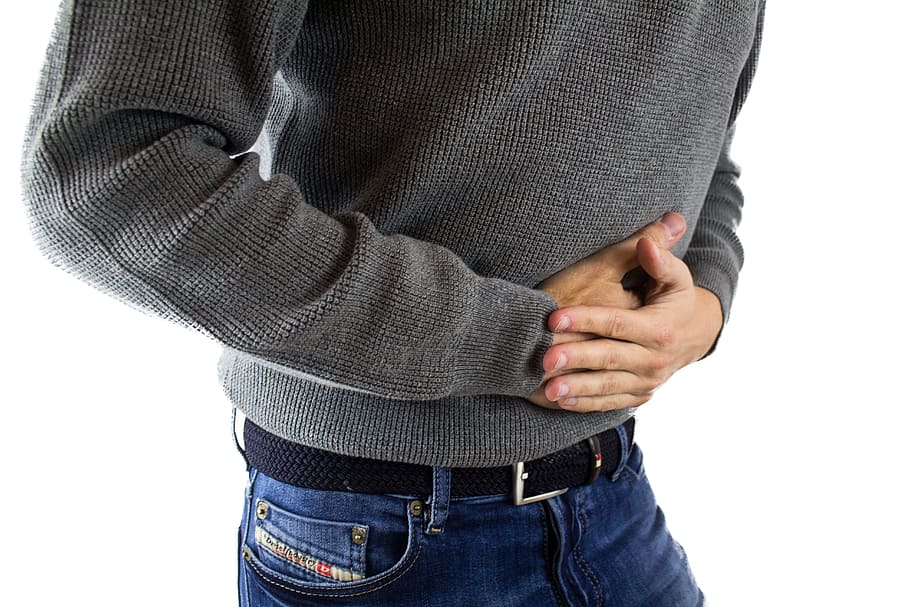
Blog source: https://www.lefaspharmaceuticals.com/index.php/reasons-gallbladder-surgery-could-be-causing-diarrhea-and-how-to-treat-it/

Friday, March 12, 2021

Could Your Meds Be Causing Diarrhea?


Most diarrhea tends to be resolved within 24 to 48 hours if it’s caused by viral gastroenteritis (a stomach bug) or food-borne illness. If your diarrhea is hanging on and doesn’t stop, you might need to take a look at your medications. Here are some well-known offenders commonly linked with drug-induced diarrhea.

Antibiotics are a big one. They are associated with 25% of the cases of medication-induced diarrhea. Though all antibiotics can cause diarrhea, it is more common with amoxicillin cephalosporins and clindamycin (Cleocin).

  • Metformin (Glucophage) is used to treat diabetes. It has several actions within the gut that may lead to diarrhea—which should resolve a few days after taking it. Pro tip: the extended-release metformin (metformin ER, Glucophage XR) has fewer gastrointestinal effects than the regular release.
  • Antidepressants: Diarrhea is a common side effect with certain kinds of antidepressants. The incidence of diarrhea is highest for sertraline (Zoloft) at 14%, followed by paroxetine (Paxil) at 8%. For other SSRI antidepressants like fluoxetine (Prozac), diarrhea occurs in 7% of folks taking it.
  • Beta-blockers are medications that end in -ol used for the treatment of heart disease and high blood pressure. Typical examples include – metoprolol, atenolol, and carvedilol, where diarrhea is a known side effect within the first week of usage. Diarrhea is seen in up to 12% of folks taking carvedilol.
  • ACE inhibitors and angiotensin receptor blockers (ARBS) are used to treat high blood pressure and heart failure, and all have diarrhea as a reported side effect. The ARB olmesartan (Benicar, Azor) is the biggest offender in this class of drugs, and diarrhea can be severe and long-lasting while you’re taking it. Others include ACE inhibitors lisinopril, benazepril, and enalapril, and ARB’s losartan, irbesartan, and valsartan.
  • Stomach meds. H2 “acid” blockers like cimetidine (Tagamet) and ranitidine (Zantac), along with the proton pump inhibitors (PPIs) like omeprazole (Prilosec), pantoprazole (Protonix), and esomeprazole (Nexium) may cause diarrhea because they inhibit gastric acid secretion in the gut (they decrease the amount of stomach acid).
  • Digoxin is a medication used to control heart rate for people with atrial fibrillation. Digoxin inhibits ATPase, which affects the energy for the pump that regulates water and electrolyte transport, which may lead to diarrhea in folks taking it.
  • Colchicine for gout is a common cause of diarrhea and abdominal pain, shortly after taking it. The cause of diarrhea here is similar to digoxin, where ATPase, the same enzyme inhibited by colchicine, affects electrolyte and water balance in the gut.
  • Lithium. Diarrhea from Lithium usually occurs in the first six months of treatment and is seen in up to 10% of lithium-treated folks. Higher blood lithium levels (greater than 0.8 mEq/l) are associated with higher rates of diarrhea. Pro tip here is that rates of diarrhea are higher with sustained-release Lithium (lithium ER or Lithobid) than regular Lithium.
  • Levothyroxine (Synthroid) is a synthetic thyroid hormone used for the treatment of hypothyroidism. Some studies suggest levothyroxine and Synthroid may disrupt the gut flora, causing small bowel bacterial overgrowth and potentially diarrhea. The tricky thing here is to make sure you are not over-replaced (hyperthyroid) with too high of a dose leading to diarrhea.
  • Gemfibrozil (Lopid) and fenofibrate (Tricor) are used to lower triglycerides and raise HDL (the “good” cholesterol) and may lead to diarrhea by causing an increased breakdown of fats.
  • Magnesium-containing antacids like Mylanta, Maalox, and Gaviscon tend to cause diarrhea. Magnesium is an “osmotic” agent, so it tends to suck water into the gut, which may result in diarrhea.
  • Vitamins like Vit C and Magnesium both pull water into the gut (they are osmotic agents), which may result in diarrhea.
  • NSAIDs like ibuprofen (Advil, Motrin) and naproxen (Aleve) may cause both constipation and diarrhea.

The diagnosis of medication-induced diarrhea often relies on the absence of other apparent causes or the rapid disappearance of diarrhea after stopping the suspected drug. It’s worth looking at.

 Blog source: https://www.lefaspharmaceuticals.com/index.php/could-your-meds-be-causing-diarrhea/